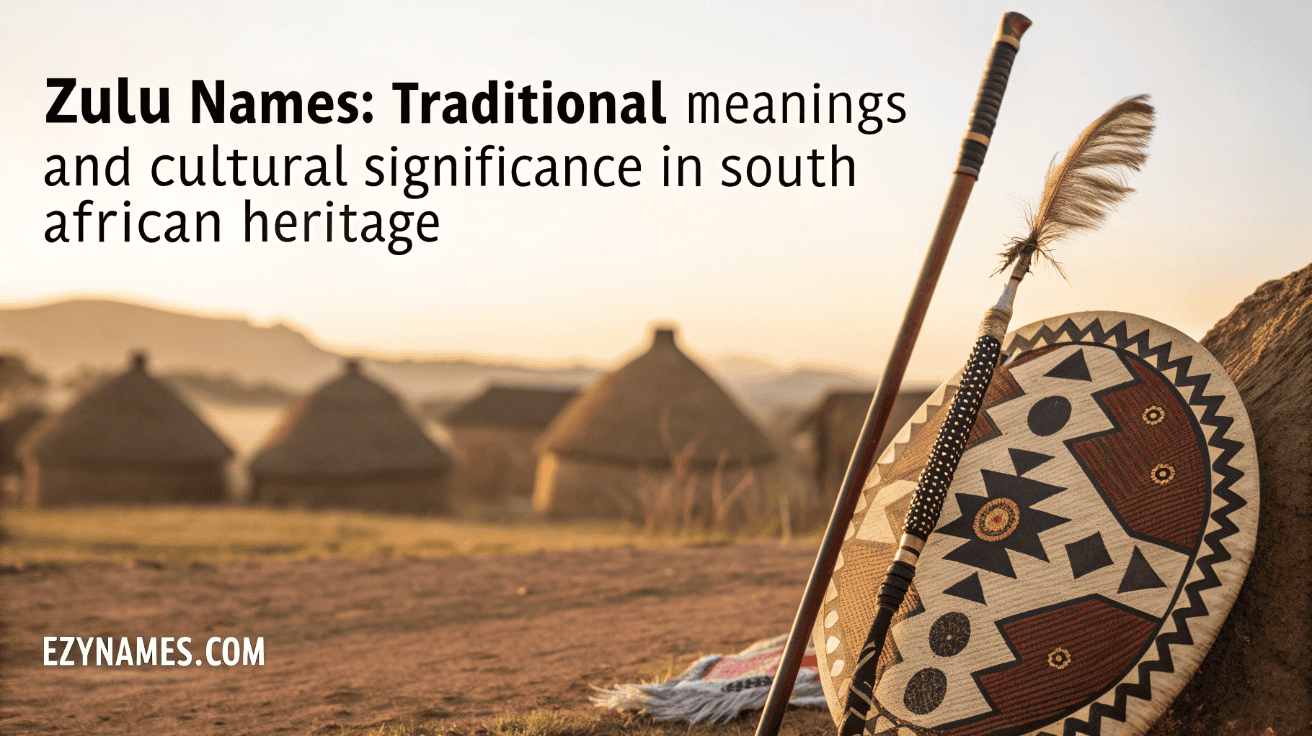
Zulu Names: Traditional Meanings and Cultural Significance in South African Heritage
Zulu names carry deep meaning and reflect the rich traditions of the Zulu people of South Africa. These names often tell a story about the circumstances of a child’s birth, family wishes, or gratitude to ancestors, similar to other culturally rich traditions like African-inspired naming systems.
Parents in the Zulu community choose names that hold significance rather than simply picking something that sounds pleasant. Zulu baby names connect children to their heritage while expressing hopes, blessings, and the family’s experiences at the time of birth, much like meaningful naming styles found in Hawaiian names.
The Zulu language shapes these names, with each syllable carefully chosen to convey specific meanings. From traditional names passed down through generations to modern variations that blend culture with contemporary life, Zulu naming practices remain an important part of identity.
Understanding Zulu names opens a window into Zulu culture and the values that matter most to this community. Whether you’re looking for a meaningful name for your child, researching your Zulu heritage, or simply curious about African naming traditions, exploring these names reveals the creativity and wisdom embedded in the language.
Fantasy Zulu Names
Fantasy Zulu names blend traditional linguistic elements with imaginative qualities suited for fictional characters. These names work well for stories, games, and creative projects that draw on Zulu cultural inspiration while building unique worlds, similar to character-driven styles used in fantasy surnames.
Zulu warrior names often emphasize strength and courage. Names like Nkazimulo, which means “glory” or “honor,” capture the warrior spirit central to Zulu heritage, much like powerful naming themes found in warrior names.
Fantasy adaptations can maintain these meaningful roots while adding creative flair.
Male Fantasy Names:
- Thembani – Trust in battle
- Sizwekahleni – Nation of warriors
- Mandlenkosi – Power of the king
- Bhekizenzo – Watch over actions
- Nkosinathi – The lord is with us
- Vusimuzi – Restore the homestead
- Sabelo – Warning sign
- Khanyiso – Bring light
- Melokuhle – Stand for good
- Ayanda – They are growing
Don’t Miss Amazon’s Today’s Deals
Grab the hottest discounts before they’re gone! Explore daily deals, limited-time offers, and exclusive savings on your favorite products — updated every single day.
As an Amazon Associate, I earn from qualifying purchases.
Female Fantasy Names:
- Zethembiso – Promise keeper
- Nokuthula – Mother of peace
- Sibusisiwe – We are blessed
- Thandolwethu – Our love
- Nomvula – After the rain
- Lindiwe – The awaited one
- Busisiwe – One who is blessed
- Nompumelelo – Mother of success
- Zanele – They are enough
- Siyamthanda – We love him/her
Each name carries specific meaning rooted in Zulu language structure. Writers can use these names to add depth and cultural texture to fantasy characters while respecting the linguistic traditions they come from.
Zulu Names Girl Names
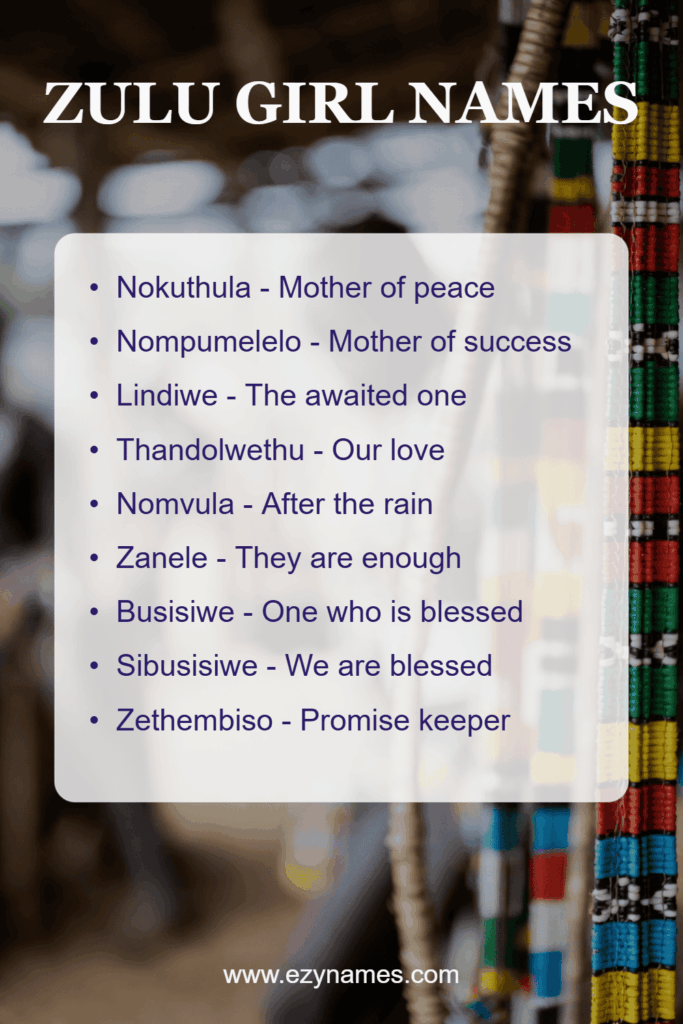
Zulu names for girls carry deep cultural meanings that reflect the values and traditions of the Zulu people of South Africa. These names often celebrate qualities like beauty, strength, gratitude, and peace, similar to naming traditions highlighted in curated girl names.
Parents choose names based on their meanings rather than just how they sound. Thando means “love” and remains one of the most popular choices.
Thandiwe is a related name that means “the loved one.” Both names celebrate affection and warmth within families.
Nandi holds special significance as it was the name of King Shaka’s mother. The name means “sweet one” and connects girls to Zulu history.
Nomvula means “after the rain” and celebrates the blessing of rainfall in African culture. Amahle translates to “the beautiful ones” and honors both inner and outer beauty.
Nobuhle carries a similar meaning, focusing on beauty and grace. Lindiwe means “the awaited one” and expresses the joy parents feel when their daughter arrives.
Names like Nokuthula mean “mother of peace” and reflect hopes for a calm, peaceful life. Thandeka means “the lovable one” and emphasizes affection.
Zanele translates to “they are enough” and shows contentment and satisfaction. Hlengiwe means “rescued” or “redeemed” and carries spiritual significance.
Nozipho means “mother of gifts” while Dumisile means “the one who is praised.” Gugulethu translates to “our treasure” and shows how precious daughters are to their families.
Khanyisile means “giving light” and Nolwazi means “mother of knowledge.” Melokuhle means “stand for good” and encourages positive values.
Zulu Names Boy Names
Zulu names for boys carry deep cultural meaning and connect children to their heritage. Parents often choose these names based on events around the child’s birth, family history, or hopes for the future, similar to strong identity-focused naming found in boy names.
Many Zulu boy names reflect positive qualities like strength, wisdom, and gratitude. Sipho means “gift” and shows thanks for new life.
Mandla translates to “power” or “strength.” Themba means “hope” or “trust.”
Names can also honor ancestors or celebrate blessings. Dumisani means “give praise,” while Jabulani means “be happy” or “rejoice.”
Bongani translates to “be thankful.” Some names emphasize leadership and courage.
Nkosinathi means “the Lord is with us.” Vusumuzi translates to “one who restores the family.”
Thulani means “be quiet” or “be comforted.” Here are popular Zulu boy names with their meanings:
| Name | Meaning |
|---|---|
| Andile | They have increased |
| Ayanda | They are growing |
| Lungelo | Right or righteousness |
| Mcebisi | Counselor or advisor |
| Njabulo | Happiness or joy |
| Ntuthuko | Development or progress |
| Sandile | We have multiplied |
| Sibusiso | Blessing |
| Siyanda | We are growing |
| Thabani | Be joyful |
| Thabo | Joy or happiness |
| Xolani | Peace or forgiveness |
| Zwelakhe | His country |
| Langelihle | Good sunshine |
Each name tells a story and carries the values of Zulu culture forward to new generations.
Last Name Zulu Names
Zulu last names connect families to their ancestors and cultural history. These surnames often tell stories about family lineage, clan identity, and important traditions passed down through generations, similar to naming systems explored in last names for characters.
Many Zulu surnames come from clan names that have been used for hundreds of years. The name Nkosi means “chief” or “king” and remains one of the most respected surnames in Zulu culture.
Bhekizizwe translates to “watch over the nation” and shows the responsibility some families held in their communities. Zwelibanzi means “the world is wide” and reflects a family’s connection to broader perspectives and experiences.
Common Zulu surnames include:
- Mthethwa – a prominent clan name
- Ndlovu – means “elephant”
- Dlamini – one of the oldest Zulu surnames
- Khumalo – a well-known clan name
- Ntuli – represents a significant family line
- Zulu – the ethnic group’s name itself
- Ngcobo – a traditional surname
- Mkhize – means “one who praises”
- Buthelezi – a historical family name
- Sithole – common in Zulu communities
- Shange – represents a specific clan
- Gumede – an ancient surname
- Hadebe – linked to clan identity
- Majola – a traditional family name
- Cele – represents a distinct clan
These surnames serve as more than just family identifiers. They represent clan affiliations and help Zulu people trace their roots back to specific ancestors and regions in South Africa.
Old Zulu Names
Old Zulu names carry deep historical meaning and connect to ancient traditions. These names often reflected the circumstances of a child’s birth, family hopes, or important events in the community.
Traditional Zulu naming practices focused on expressing values and beliefs through carefully chosen words. Parents selected names that told stories or honored ancestors.
Classic Zulu Names:
- Nkosana – Little chief or prince
- Themba – Trust or hope
- Sibusiso – Blessing
- Nokuthula – Peace or quiet one
- Thulani – Be quiet or peaceful
- Mandla – Strength or power
- Nomvula – After the rain
- Bongani – Be thankful
- Zanele – They are enough
- Thabile – The happy one
- Siphiwe – We have been given
- Lindiwe – The awaited one
- Jabulani – Be happy or rejoice
- Ntombi – Young woman or girl
- Mbali – Flower
- Nkosinathi – The Lord is with us
- Busisiwe – Blessed one
Explore Everything & Shop by Interest
From fashion and tech to books and home essentials — Amazon has it all in one place. Start your shopping journey today and discover something new every time you visit!
As an Amazon Associate, I earn from qualifying purchases.
Many of these names remain popular today because they hold timeless meanings. Families pass them down through generations to maintain cultural connections.
Funny Zulu Names
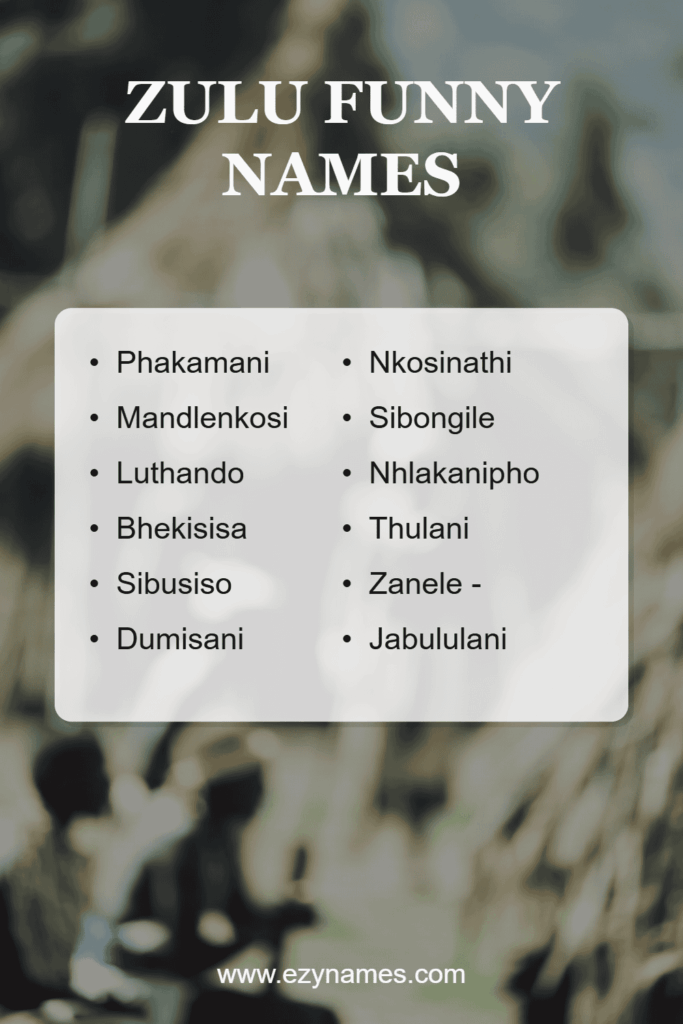
Zulu names often carry deep meanings, but some can sound amusing to English speakers or have playful translations, similar in tone to lighthearted styles found in circus names.
. These names are authentic and meaningful in Zulu culture, even if they seem lighthearted.
Names with Playful Meanings:
- Mandlenkosi – “power of the king” but sounds bold
- Nkosinathi – “the lord is with us”
- Sibusiso – “blessing” with a fun sound
- Thulani – “be quiet” or “be calm”
- Luthando – “love” with a cheerful ring
- Dumisani – “praise him”
- Bhekisisa – “look carefully”
- Phakamani – “rise up” or “lift up”
- Jabululani – “be happy”
- Sibongile – “we are grateful”
- Nhlakanipho – “wisdom”
- Zanele – “they are enough”
- Mthunzi – “shade” or “shadow”
- Nhlanhla – “good luck”
- Siyabonga – “we thank you”
- Themba – “hope” or “trust”
- Bongani – “be grateful”
These names might sound unusual to non-Zulu speakers, but each carries significant meaning in the culture. Parents choose them based on circumstances at birth or wishes for their child’s future.
The pronunciation and rhythm of these names make them memorable and distinct.
Modern Zulu Names
Modern Zulu names blend traditional meanings with contemporary style. Parents today often choose names that honor their heritage while fitting into a global world.
These names work well in different settings and are easier for non-Zulu speakers to pronounce. They still carry deep cultural significance and meaning.
Popular Modern Zulu Names:
- Melokuhle – “The good one”
- Lisakhanya – “Still shining”
- Lubanzi – “Widespread”
- Siyamthanda – “We love him/her”
- Banele – “They are enough”
- Nkanyiso – “Light”
- Amahle – “Beautiful ones”
- Kuhlekonke – “Everything is beautiful”
- Sinethemba – “We have hope”
- Mbalienhle – “Beautiful story”
- Sibabalwe – “We are counted”
- Nkosikhona – “The Lord is here”
- Zenande – “Bringing peace”
- Nonkululeko – “Mother of freedom”
- Siphesihle – “We have been given a beautiful gift”
- Londeka – “Well cared for”
- Ayabonga – “They give thanks”
Many modern Zulu names start with prefixes like “Si-” (we), “Nko-” (Lord), or “Lu-” (of/from). These prefixes connect to Zulu grammar and add layers of meaning to each name.
Young parents often pick names that express gratitude, hope, or joy. Names like Sinethemba (we have hope) and Melokuhle (the good one) reflect positive values families want to pass down to their children.
Tips On Choosing The Best Zulu Names

Choosing a Zulu name requires understanding that each name carries deep meaning and cultural significance. Parents should consider what values or hopes they want to express through their child’s name.
Consider the meaning first. Zulu names often reflect emotions, life circumstances, or family aspirations.
A name like Nkosinathi means “the Lord is with us” and expresses faith. Siyabonga translates to “we are thankful” and shows gratitude.
Think about pronunciation. Names should be easy for family members to say correctly. Testing how the name sounds when spoken aloud helps ensure it flows well with surnames.
Research cultural authenticity. Some names have specific meanings tied to Zulu traditions and history. Names like Themba (hope), Nomvula (after the rain), and Mandla (strength) come from genuine Zulu roots.
Balance tradition with modern appeal. Many families choose names that honor heritage while fitting into contemporary settings. Thulani (be quiet/peaceful) and Zanele (they are enough) work well in both traditional and modern contexts.
Here are meaningful options to consider:
- Mbali – flower
- Nokuthula – peaceful one
- Sibusiso – blessing
- Melokuhle – the good one
- Ayanda – they are increasing
- Nkanyiso – light
- Lindiwe – the awaited one
- Khanyisile – enlightened
- Andile – they have increased
- Sizwe – nation
- Nompumelelo – success
- Bongani – be grateful
- Thandeka – lovable one
- Sabelo – answered prayer
- Nolwazi – with knowledge
Best Grocery Deals Today
Find amazing daily grocery offers on fresh produce, organic selections, and essential household products at unbeatable prices, helping you save more on every shopping trip.
As an Amazon Associate, I earn from qualifying purchases.
Ask family elders for input. They often provide valuable insights into traditional naming practices and can suggest names with special family significance.
Frequently Asked Questions
Zulu names carry deep cultural significance and reflect the values, circumstances, and hopes of families in South Africa. These names often connect to spiritual beliefs, family history, and the conditions surrounding a child’s birth.
What are the origins and meanings of popular Zulu names?
Zulu names come from the isiZulu language, which belongs to the Bantu language family. The Zulu people form one of the largest ethnic groups in South Africa.
These names have meanings that connect to emotions, events, or spiritual concepts. Parents choose names based on circumstances at birth or hopes for their child’s future.
Popular names include Thando, meaning “love,” and Sipho, meaning “gift.” Nkosinathi means “God is with us,” while Nomvula means “after the rain.”
Other common names are Mandla, meaning “strength,” and Sizwe, meaning “nation.” Lungile translates to “good” or “right,” and Nolwazi means “with knowledge.”
Can you provide a list of traditional Zulu names for newborn girls?
Traditional Zulu girl names often reflect beauty, hope, and spiritual values.
These names honor ancestors and express gratitude for the child’s arrival.
Nomusa means “mercy” or “kindness.” Thobile means “happiness” or “joy.”
Zinhle means “beautiful things.” Nokuthula means “peace” or “mother of peace.”
Busisiwe means “blessed.” Ntombi means “young lady” or “girl.”
Zanele means “they are enough.” Ayanda means “they are increasing.”
Precious translates directly but is used in Zulu naming traditions. Nomfundo means “mother of learning.”
Nonhle means “beautiful mother.” Siphesihle means “beautiful gift.”
What are some unique Zulu boy names and their significance?
Unique Zulu boy names carry powerful meanings that reflect family values and cultural identity. These names often express strength, leadership, or spiritual connections.
Mthunzi means “shade” or “shadow.” Khethiwe means “the chosen one.”
Sandile means “we have increased” or “we have multiplied.” Muzikayise means “his home” or “household.”
Sbusiso means “blessing.” Jabulani means “be happy” or “rejoice.”
Mlungisi means “the fixer” or “the corrector.” Bongani means “be thankful” or “give thanks.”
Simphiwe means “we have been given.” Nkanyiso means “light” or “illumination.”
Sabelo means “answered prayer.” Mduduzi means “comforter.”
How do Zulu cultural practices influence the naming of children?
Zulu naming traditions prioritize meaning over sound. The name selection process involves careful consideration of family circumstances and spiritual guidance.
Names often reflect the situation at a child’s birth. If a family experienced hardship before the birth, they might choose a name like Nomvula, meaning “after the rain,” to symbolize better times.
Ancestors play a central role in Zulu naming customs. Families believe that names can honor deceased relatives and maintain spiritual connections across generations.
The timing of events also influences name choices. A long-awaited child might receive the name Sabelo, meaning “answered prayer.”
Names can express gratitude, hope, or acknowledgment of divine intervention. This practice connects the child to their heritage and community from birth.
Could you suggest some beautiful Zulu names for girls and their meanings?
Beautiful Zulu girl names combine pleasant sounds with meaningful interpretations. These names reflect positive qualities and aspirations parents hold for their daughters.
Amahle means “the beautiful ones.” Nompilo means “life” or “mother of life.”
Nobuhle means “beauty” or “mother of beauty.” Snenhlanhla means “we have luck” or “we are fortunate.”
Thandiwe means “beloved” or “loved one.” Lindiwe means “waited for” or “the one who was awaited.”
Phumzile means “rest” or “the one who rests.” Samkelisiwe means “we are accepted” or “welcomed.”
Zenande means “they came with her.” Mbali means “flower” or “blossom.”
What are some common Zulu names that are also widely recognized in South Africa?
Several Zulu names have gained recognition throughout South Africa and beyond. These names appear frequently in communities across the country.
Thabo, while also used in other South African cultures, means “happiness” or “joy.” Themba means “hope” or “trust.”
Sizakele means “we have been helped.” Nhlanhla means “luck” or “fortune.”
Bongiwe means “thankful” or “grateful.” Thabiso means “source of joy.”
Mthokozisi means “his joy” or “his happiness.”