Imp Names: A Complete Guide to Choosing Perfect Names for Your Mischievous Characters
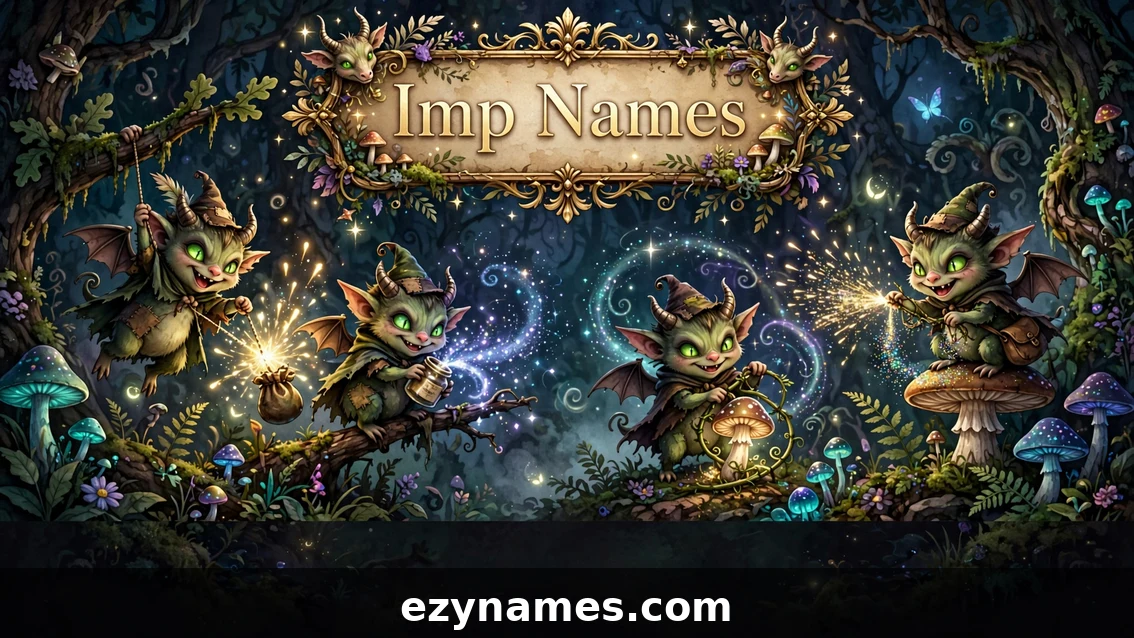
Imps are small, mischievous creatures found in fantasy stories, games, and folklore. These playful tricksters need names that match their cunning personalities and magical nature.
Imp names are typically short, playful, and lighter-sounding than the names of larger demons. They often combine harsh and whimsical tones to reflect their troublemaking character.
Finding the right name for an imp character can bring it to life in stories or games. The name should capture the creature’s sneaky behavior and magical qualities.
Whether someone needs a name for a male imp, female imp, or wants something funny or old-fashioned, the right choice makes the character memorable.
This guide covers everything about imp names, from classic options to modern picks. It includes specific categories like fantasy names, gender-specific choices, and humorous options.
Readers will also find practical tips for creating their own imp names and examples of famous imps from popular culture.
Sootwhisper
Emberclaw
Trickspindle
Glimmerfang
Ashenmite
Sparkscuttle
Grimwiggle
Flickertail
Shadowprick
Pebblesnatch
Thornwicket
Rustlewick
Cindernip
Mischief
Snickerdusk
10 Best Imp Names
Choosing the right name for an imp character adds personality and depth to any story or game. These small, mischievous creatures deserve names that reflect their playful and tricky nature.
Here are some of the best imp names to consider:
- Griztik – A sharp, clever name for an imp who loves causing trouble
- Nixbelle – Perfect for a female imp with a talent for pranks
- Skrattle – Fits an imp who makes noise and creates chaos
- Vexworth – Ideal for an imp who annoys and bothers others
- Puckrin – A playful name inspired by classic trickster spirits
- Emberlick – Works well for a fire-loving imp with energy
- Snickerbane – Great for an imp whose laughter signals mischief
- Thistwick – Suits a small imp who is quick and hard to catch
- Grimwink – Perfect for an imp with a dark sense of humor
- Sparksnap – Fits an imp with a quick temper and fast moves
- Bristletoe – Good for a prickly imp who likes to irritate
- Cacklewhist – Ideal for an imp whose giggles echo mysteriously
- Jinxmere – Works for an imp who brings bad luck
- Quicksilver – Suits a fast-moving, unpredictable imp
- Thornwick – Perfect for an imp with a sharp wit
Don’t Miss Amazon’s Today’s Deals
Grab the hottest discounts before they’re gone! Explore daily deals, limited-time offers, and exclusive savings on your favorite products — updated every single day.
As an Amazon Associate, I earn from qualifying purchases.
Each name captures different aspects of imp behavior. Some sound lighter and more playful, while others have a slightly darker edge.
The best choice depends on the specific personality and role of the imp character.
Fantasy Imp Names
Fantasy imp names often sound playful and lighter than names given to larger demons. These names capture the mischievous nature of imps while reflecting their small size and trickster personalities.
Most fantasy imp names use sharp consonants and quick syllables. This creates a snappy sound that matches their quick movements and cunning behavior.
The names tend to avoid dark or heavy tones found in demon names.
Classic Fantasy Imp Names:
- Grimwick – A name that combines grim humor with a playful twist
- Sizzlethorn – Perfect for a fire-loving imp with a sharp attitude
- Whiskersnap – Captures quick movements and sudden tricks
- Pocketshadow – Works well for sneaky imps who hide in dark places
- Emberclaw – Suits an imp with a fiery temperament
- Thistlebite – A prickly name for a biting personality
- Sparkfizzle – Great for magical imps who create small explosions
- Nightpinch – Ideal for nocturnal troublemakers
- Ashgiggle – Combines destruction with playful laughter
- Smoketail – A mysterious name for elusive creatures
- Cinderskip – Perfect for quick-moving fire imps
- Thornwhisper – Balances sharpness with subtle mischief
- Glimmersnatch – Good for imps who steal shiny objects
- Scorchnip – Works for small but fierce fire spirits
- Twilightprank – Captures the essence of evening mischief
These names work well in fantasy stories, games, and creative projects. Each name reflects different aspects of imp behavior and characteristics.
Imp Names Girl Names
Female imp names often sound playful and mischievous. These names capture the clever and whimsical nature of these small creatures.
Girl imp names tend to be lighter than demon names. They mix natural elements with fantasy sounds to create memorable character names.
Popular Female Imp Names:
- Nixella – A crafty imp with quick wit
- Thornwhisper – Known for sneaking through gardens
- Emberly – Drawn to flames and candlelight
- Shadowdance – Moves unseen in darkness
- Mistwhimsy – Appears in foggy mornings
- Glimmerfang – Has sharp teeth and bright eyes
- Ravendark – Black-feathered and clever
- Sparklebane – Causes trouble with magic
- Nightshade – Named after poisonous plants
- Thistleprick – Sharp and defensive
- Moonwhisker – Appears under moonlight
- Ashenpetal – Gray as burnt flowers
- Wildberry – Sweet but unpredictable
- Crowsong – Voice sounds like bird calls
- Frostbite – Cold to the touch
- Briarthorn – Tangled and prickly
- Smokeveil – Hides in smoke clouds
These names work well for fantasy stories, games, and role-playing characters. Each name suggests different traits and abilities.
Some sound gentle while others hint at danger. Female imp names often include nature words mixed with darker elements.
This combination creates the perfect balance between cute and threatening.
Imp Names Boy Names
Boy imp names often sound light and playful while keeping a hint of mischief. These names work well for fantasy stories, games, or role-playing characters that need a touch of chaos and charm.
The best boy imp names are short and snappy. They roll off the tongue easily and match the quick, cunning nature of these small creatures.
Popular Boy Imp Names:
- Grizelwick – A name that sounds both clever and troublesome
- Snapwort – Perfect for an imp who acts first and thinks later
- Emberfox – Combines fire and slyness in one name
- Zyphren – Quick and mysterious sounding
- Pockridge – Has a playful, bouncing quality
- Nixworth – Suggests trickery and wit
- Glimwick – Light and sparkly with an edge
- Scrapmaw – Raw and a bit rough around the edges
- Thistlebark – Nature-inspired with a prickly side
- Kreevil – Short and packed with mischief
- Flintwick – Sharp and spark-producing
- Bogsworth – Earthy and slightly messy
- Vexling – Made for causing minor troubles
- Sootwick – Dirty and chimney-dwelling
- Grubnik – Small and slightly grimy
- Sparkrim – Bright with a dangerous glow
- Muddlecrank – Confused but clever
Explore Everything & Shop by Interest
From fashion and tech to books and home essentials — Amazon has it all in one place. Start your shopping journey today and discover something new every time you visit!
As an Amazon Associate, I earn from qualifying purchases.
These names capture the essence of imp behavior without sounding too dark or powerful. They fit characters who are small troublemakers rather than serious threats.
Last Name For Imp Names
Imps rarely use traditional last names in fantasy settings. However, adding a surname can give an imp character more depth and personality.
These last names often reflect their mischievous nature or demonic origins.
Last names for imps work best when they hint at the creature’s traits or habits. Short, punchy surnames match the playful nature of these small demons.
- Emberclaw
- Shadowtail
- Ashwhisper
- Sootgrin
- Flameskip
- Cinderfoot
- Sparkmischief
- Gloomsnicker
- Charcoalwing
- Hearthcreep
- Smokeprank
- Blazetrick
- Darksneak
- Fireflit
- Scorchling
- Nightpester
- Grimspite
- Coalwretch
- Sulfursting
- Wickedwhim
Using Last Names Effectively
These surnames pair well with shorter first names. A name like “Zeph Emberclaw” or “Kree Shadowtail” sounds natural for an imp character.
The last name adds weight without losing the creature’s impish charm. Writers can mix and match these surnames with different first names to create unique combinations.
Last names help distinguish between multiple imp characters in a story or game. They also make it easier for readers to remember individual imps when several appear in the same scene.
Old Imp Names
Old imp names carry a sense of history and tradition from ancient folklore and medieval tales. These names often sound harsher and more guttural than modern imp names.
They reflect the way people in past centuries imagined these mischievous creatures.
Many old imp names come from old English, Latin, and Germanic languages. They tend to have darker sounds with hard consonants.
These names were meant to sound both playful and slightly threatening.
Classic Old Imp Names:
- Grimkin – A name combining “grim” with a diminutive suffix
- Puckrel – Derived from the trickster spirit Puck
- Brimstone – Named after sulfur and hellfire
- Snatchwick – Suggests a thieving nature
- Boggart – From old English folklore
- Nithering – An archaic term for a villain
- Skulker – One who lurks in shadows
- Malekin – Contains “male” meaning evil
- Wretchling – A small wretched creature
- Hobwick – Related to hobgoblins
- Fiendrel – A diminutive form of fiend
- Thornwick – Suggests something sharp and unpleasant
- Raggart – Implies a ragged appearance
- Blighter – Old term for a troublemaker
- Spiteling – One who causes spite
- Grimlock – Combines grim with lock or trick
- Miscreant – An old word for wrongdoer
- Vexling – One who causes vexation
These names work well for characters in historical fantasy settings or stories set in medieval times. They give imps an authentic old-world feel that connects them to traditional folklore.
Funny Imp Names
Funny imp names bring out the playful and silly side of these mischievous creatures. These names work well for characters meant to entertain rather than frighten.
The best funny imp names often use wordplay or unexpected combinations. They might reference food, sounds, or absurd concepts that make people smile.
Short, snappy syllables tend to work better than long, complicated words.
Amusing Imp Name Ideas:
- Gigglewort
- Snickerdoodle
- Bumblesnap
- Picklepants
- Wobblegrin
- Noodlenose
- Chuckleberry
- Squeakers
- Fizzlepop
- Muffincrumb
- Wigglesworth
- Snortblossom
- Biscuitface
- Tootlewink
- Gobblesocks
- Puddingfoot
- Jigglejinks
- Snickersnap
Best Grocery Deals Today
Find amazing daily grocery offers on fresh produce, organic selections, and essential household products at unbeatable prices, helping you save more on every shopping trip.
As an Amazon Associate, I earn from qualifying purchases.
These names emphasize the lighter aspects of imp behavior. They suggest a creature more interested in pranks than real harm.
The silly sounds and food references create an immediate sense of humor. Players and writers can mix common words with made-up endings to create their own versions.
Adding unusual consonant combinations or repeating sounds makes names more memorable. The goal is to signal that this character will provide comic relief rather than serious threats.
Tips On Choosing The Best Imp Names
Picking the right name for an imp character requires thinking about its personality and role. Names should reflect whether the imp is mischievous, helpful, or downright troublesome.
Consider these key factors:
- Sound and tone – Lighter, playful sounds work well for trickster imps.
- Length – Shorter names are easier to remember and say.
- Meaning – Think about what traits the name suggests.
An imp name generator can help spark ideas when creativity runs dry. These tools offer hundreds of combinations and can save time during character creation.
The name should match the setting. Fantasy worlds might need names with harsh consonants, while modern stories could use quirky or unusual combinations.
Players should avoid names that are too complicated or hard to pronounce.
Test the name by asking:
- Does it fit the character’s behavior?
- Is it memorable?
- Can other players say it easily?
Some writers prefer invented names, while others like hyphenated combinations or descriptive titles. Both approaches work depending on the story’s needs.
Sample Imp Names:
- Grimwick
- Spindlethorn
- Nixwick
- Rattlebane
- Sootwhisker
- Emberfang
- Crowfoot
- Thistlewick
- Sparkgrin
- Ashenpaw
- Gloomsnap
- Pucklewit
- Thornbristle
- Cinderclaw
- Mumblejaw
- Wickershade
- Nettlefist
- Snaggletooth
- Rustlebone
- Scorchwing
Arts, Crafts & Sewing Supplies Collection
Explore a wide range of crafting materials, fabrics, tools, and accessories designed to inspire creativity and help you bring your artistic ideas to life.
As an Amazon Associate, I earn from qualifying purchases.
The best names feel natural when spoken aloud. Characters should test several options before making a final choice.
Names can always be adjusted if they don’t feel right during gameplay or writing.
Modern Imp Names
Modern imp names blend contemporary sounds with traditional mischievous elements. These names work well for current fantasy settings, games, and creative projects.
Contemporary Imp Name List:
- Pixelbyte – A tech-inspired name that combines digital culture with imp nature
- Glitchwing – References modern technology errors with classic imp imagery
- Sparkplug – Energetic and mechanical, perfect for urban fantasy settings
- Neonflick – Captures the brightness of city lights and quick movements
- Zipwire – Suggests speed and modern connectivity
- Snapgrin – Short and punchy, reflecting social media culture
- Buzzbit – Combines annoying sounds with small, bite-sized trouble
- Flickerscreen – References digital displays and unstable behavior
- Dashfire – Quick and destructive with a modern edge
- Glimmercode – Merges magical qualities with programming language
- Joltswipe – Suggests sudden movements and touchscreen gestures
- Sparkrift – Electric and dimensional, fitting sci-fi fantasy worlds
- Clickbait – Playfully references internet culture and trickery
- Razorwifi – Sharp and technical, blending danger with connectivity
- Twitchspark – Nervous energy meets electrical mischief
- Cryptogrin – Mysterious and knowing, with digital undertones
- Flashdrive – Storage device meets impulsive energy
These names reflect how imp characters adapt to modern storytelling. They maintain the playful and cunning nature of traditional imps while incorporating elements from technology, urban life, and contemporary culture.
Famous Imp Names
Imps have appeared in stories, games, and folklore for centuries. These small, mischievous creatures often have names that reflect their playful and troublesome nature.
Puckwhistle stands out as a classic imp name that captures both charm and mischief. The name suggests someone who enjoys causing trouble with a smile.
Grimblethorn combines darker sounds with a sharp edge. This name works well for imps who are more cunning than cute.
Nixelfizz brings to mind sparks and magical chaos. It’s perfect for an imp who loves playing tricks with spells and potions.
Scamperwink sounds light and quick. This name fits an imp who moves fast and disappears before anyone can catch them.
Sootgrin suggests an imp who sneaks through chimneys and fireplaces. The name has both darkness and humor mixed together.
Thistlewick carries a prickly, sharp quality. It works for imps who are clever and slightly dangerous.
Fizzlecrank has a mechanical, chaotic sound. This name suits imps who tinker with devices or cause machinery to malfunction.
Brimstone connects directly to fire and sulfur from old demon folklore. It’s a more serious name with ancient roots.
Jinxwhisper implies subtle magic and bad luck. The name suggests an imp who works quietly but causes big problems.
Snickerdust combines laughter with magical powder. It fits imps who find their own pranks hilarious.
Gloomspite has a darker tone while keeping the mischievous element. This name works for imps with meaner streaks.
Trickfiddle suggests both deception and playfulness. The musical element adds extra personality to the name.
Frequently Asked Questions
Imp names draw from mythology, folklore, and creative wordplay, blending mischievous qualities with memorable sounds. These questions cover traditional origins, naming techniques, and practical tips for creating compelling imp characters.
What are some popular male imp names from mythology?
Male imp names from mythology often reference trickster figures and minor demons from various cultures. Puck stands out as one of the most recognized imp names, originating from English folklore and gaining fame through Shakespeare’s work.
Robin Goodfellow serves as another name for the same mischievous sprite. Germanic traditions contribute names like Kobold and Nickar, both referring to household spirits with troublesome tendencies.
Medieval European folklore provides names such as Grimbold, Nixworth, Corvain, and Malachus. These names typically feature harsh consonants and dark vowel sounds that match their mischievous nature.
Other notable male imp names include Zephrim, Thornwick, Blacktail, and Grimstone. Names like Ashenfang, Shadowscrap, and Blazewit combine elemental references with playful suffixes.
How do you come up with unique female imp names?
Female imp names combine whimsical sounds with hints of cunning or natural elements. The process starts by selecting soft consonants and playful syllables that suggest mischief rather than outright malice.
Nature-inspired elements work well for female imps. Names like Emberlynn, Willowmist, or Thornvex blend natural imagery with sharper endings.
Adding suffixes such as “-ia,” “-ette,” or “-wyn” creates a feminine sound while maintaining the impish character. Consider mixing contrasting elements to create memorable names.
Sparklemire combines something bright with something murky. Vexenrose pairs irritation with beauty.
Other unique options include Cinderspark, Moonwhisper, Thistlewick, Shadowpetal, and Glimmerthorn. Playing with alliteration and unusual letter combinations also generates distinctive names.
Pixiebane, Nettlewing, and Fizzlewick demonstrate this technique effectively.
Are there any notable imp names featured in popular culture or media?
Popular culture features several memorable imp characters with distinctive names. Midna from “The Legend of Zelda: Twilight Princess” represents a well-known imp character in video games.
The name combines mystical sounds with a short, punchy structure. World of Warcraft introduced players to numerous imp companions with names following demonic naming conventions.
These often include harsh consonants and guttural sounds. Dungeons & Dragons sourcebooks contain various imp names like Quasit and references to specific named imps in campaign settings.
Comic books and animated series also feature imp characters, though they sometimes use more playful names like Klarion or Teekl. Fantasy literature includes imps with names ranging from the whimsical to the sinister.
What are the characteristics of a good imp name for creative writing?
A good imp name balances playfulness with an edge of mischief. The name should be easy to pronounce but memorable enough to stick in readers’ minds.
Short names with two or three syllables work best for maintaining pace in dialogue. Sound matters significantly in imp naming.
Sharp consonants like K, Z, and X add bite, while softer sounds like W and L provide whimsy. Mixing these creates interesting contrast.
Names like Skizzlewit or Gloomwhisk demonstrate this balance. The name should match the character’s personality and role.
A comedic imp needs a lighter name like Fiddlebink or Sparkgrin. A more sinister imp requires something darker such as Scorchwing or Venomtail.
Cultural consistency within your world matters too. If other fantasy names follow certain patterns, imp names should feel like they belong in the same universe.
Names like Razelthorn, Whisperwick, or Sootscale can adapt to various fantasy settings.
Can you suggest some cool demon names that could be used for imps?
Demon names for imps often feature darker, more powerful-sounding elements than traditional imp names. Malphas suggests ancient evil while remaining pronounceable.
Vassago combines exotic sounds with a memorable structure. Names with Latin or Greek roots add gravitas to imp characters.
Infernius references hellish origins directly. Tenebris draws from the Latin word for darkness.
Pyraxis blends fire imagery with a strong ending. Single-word names with harsh sounds work well for imposing imps.
Scourge, Blight, and Wrack convey immediate threat. Combining these with softer elements creates names like Scourgewhim or Blightskip for imps that balance danger with mischief.
Other effective demon-inspired names for imps include Azmodyn, Grimvex, Shadowmaw, Vexithorn, and Netherclaw. Names like Dusktalon, Ashenbite, and Chaosember work across different fantasy settings.
How are imp names typically constructed or derived in fantasy literature?
Fantasy literature constructs imp names using several common methods. Compound names combine two distinct words or roots, creating names like Smokewing or Emberclaw.
This technique conveys visual or behavioral traits to readers. Sound symbolism also plays a major role in imp name construction.
Authors use phonetic elements that match personality traits. Harsh sounds suggest aggressive or dangerous imps, while softer sounds indicate playful ones.
The name Zizzletrick uses sharp Z sounds for energy and mischief. Derivation from real-world languages adds depth to imp names.
Authors borrow from Latin, Old English, or Celtic languages to create authentic-sounding names. This method produces names like Malwick (combining “mal” meaning bad with a common suffix) or Corvash (referencing ravens).
Some fantasy writers modify existing words by adding prefixes or suffixes. Starting with “spark” might yield Sparkgin, Sparkwit, or Sparkleaf.
This approach maintains familiarity while creating something new. Names like Thornbrax, Mistgrim, or Flamepip follow similar construction patterns that readers instinctively understand.
Related Name Guides
Related Posts