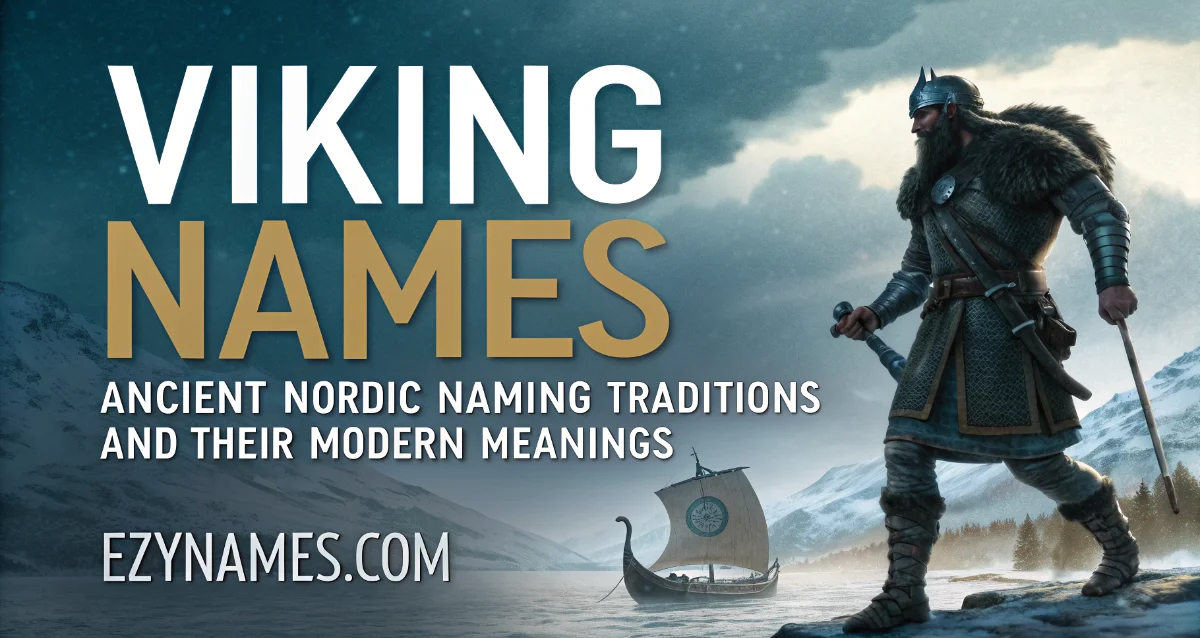
Viking Names: Ancient Nordic Naming Traditions and Their Modern Meanings
Viking names come from Old Norse, the language spoken across Scandinavia during the Viking Age. These names often connect to Norse mythology and honor powerful Norse gods like Odin, Thor, and Loki.
Viking names blend strength, nature, and mythology into memorable choices that work for fantasy characters, babies, or anyone seeking a name with deep historical roots.
Many Scandinavian names used today trace back to these ancient warriors and their culture. Parents looking for unique baby names often turn to Viking options because they sound strong and carry interesting meanings.
From fierce warrior names to gentle nature-inspired choices, Viking names offer something for everyone. This guide covers fantasy Viking names, traditional boy and girl names, historical surnames, and even funny options.
Readers will learn about both ancient names from Norse mythology and modern versions still used in Scandinavia. The article also includes practical tips for choosing the right Viking name, whether for a character, a child, or personal interest.
Fantasy Viking Names
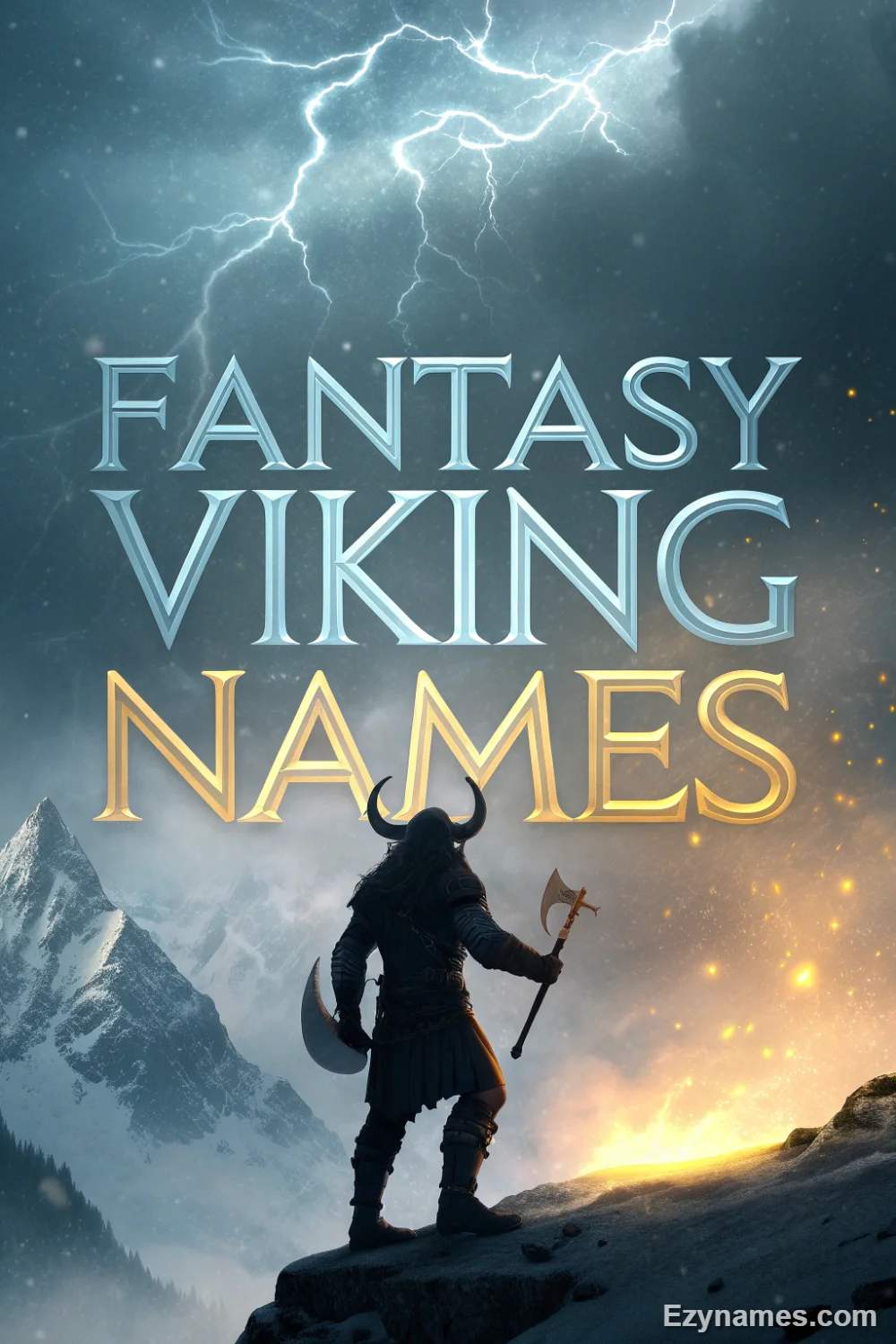
Fantasy Viking names blend historical Norse elements with creative storytelling. These names often draw from mythology, nature, and the fierce warrior culture that defined the Viking age.
Many fantasy names take inspiration from Norse gods and legendary figures. Names like Fenrir, the mighty wolf from Norse mythology, or Vidar, the silent god of vengeance, carry powerful meanings.
Baldr represents light and purity, while Tyr embodies courage and sacrifice. These mythological names work well for characters who need strength and depth.
Female fantasy names like Revna (meaning raven) and Sif (the golden-haired goddess) combine beauty with warrior spirit. They reflect the strong shield-maidens who fought alongside Viking men.
Unique Fantasy Viking Names:
- Thorvald – Thunder ruler
- Astridwyn – Divine strength wind
- Bjornulf – Bear wolf
- Eiravik – Mercy bay
- Grimwald – Fierce power forest
- Freydir – Noble goddess
- Ragnarth – Warrior counsel
- Valdis – Goddess of the slain
- Haldrek – Rock ruler
- Solveig – House of strength
- Ulfstan – Wolf stone
- Brynja – Armor
- Thorgrim – Thunder mask
- Sigrun – Victory rune
- Jorvath – Wild horse lord
- Ingvald – God power
- Skarde – Mountain notch
Don’t Miss Amazon’s Today’s Deals
Grab the hottest discounts before they’re gone! Explore daily deals, limited-time offers, and exclusive savings on your favorite products — updated every single day.
As an Amazon Associate, I earn from qualifying purchases.
These names combine traditional Norse elements with imaginative touches. They work for stories, games, or any creative project that needs authentic Viking flavor.
Each name carries its own character and can fit different personality types, from brave warriors to wise leaders.
Viking Names Girl Names
Viking girl names carry the strength and spirit of Norse culture. These names often come from goddesses, legendary warriors, and nature.
Many parents choose them today because they sound powerful and unique. Freya stands as one of the most popular Viking names for girls.
It means “lady” or “noblewoman” and connects to the Norse goddess of love and war. Astrid translates to “divinely beautiful” and remains easy to pronounce in modern times.
Ingrid means “beautiful” or “beloved” and has strong Scandinavian roots. Sigrid combines “victory” and “beautiful,” making it a name that reflects both strength and grace.
Hilda means “battle” and was common among Viking women who valued courage. Gudrun appears frequently in Norse sagas and means “god’s secret knowledge.”
Thyra connects to the god Thor and carries meanings of thunder and strength. Helga means “holy” or “blessed” and was widely used in Viking communities.
Other authentic Viking names include Bodil (commanding), Ulfhild (wolf battle), and Estrid (god and beautiful). Frida means “peace” or “beautiful,” while Gunhild combines “war” and “battle.”
Embla comes from Norse mythology as the first woman created by the gods. Gertrud means “spear of strength,” and Thurid honors the god Thor.
Tove and Tora both connect to Thor as well. Names like Signe (new victory) and Randi (shield) reflect the warrior culture.
Yrsa appears in old Norse legends, while Åse refers to the Norse gods themselves.
Viking Names Boy Names
Viking boy names come from Old Norse language and culture. These names often honor gods, warriors, and natural elements that were important to Norse society.
Many of these names are still used in Scandinavian countries today. Popular Viking names include Thor, the god of thunder, and Ragnar, which means “warrior” or “judgment.”
Erik means “sole ruler” and remains common in modern times. Bjorn translates to “bear” and represents strength.
Strong Warrior Names:
- Harald – means “army ruler”
- Magnus – means “great” or “mighty”
- Gunnar – means “bold warrior”
- Sigurd – means “victorious guardian”
- Thorsten – means “Thor’s stone”
Nature-Inspired Names:
- Ulfr (Ulf) – means “wolf”
- Bjørn – Norwegian spelling of Bjorn, means “bear”
- Arne – means “eagle”
Historical Viking Names:
Leaders and heroes from Viking history provide many naming options. Leif Erikson explored North America centuries before Columbus.
Ivar the Boneless was a famous Viking commander. Rollo became the first ruler of Normandy.
Other notable names include Knut (meaning “knot”), Olaf (meaning “ancestor’s descendant”), and Frode (meaning “wise” or “learned”).
Svend means “young man” or “boy,” while Trygve means “trustworthy.” Halfdan means “half Danish,” and Gorm means “he who worships god.”
These names carry the heritage of Norse warriors and seafarers. They connect modern children to ancient Scandinavian traditions.
Last Name Viking Names
Viking last names worked differently than modern surnames. Most Vikings used patronymic naming, which meant their last name came from their father’s first name.
A son would add “-son” to his father’s name, while a daughter would add “-dóttir.” For example, if a man named Erik had a son named Olaf, the son’s full name would be Olaf Erikson.
If Erik had a daughter named Astrid, she would be called Astrid Eriksdóttir.
Common Viking Last Names:
- Thorson – son of Thor
- Bjornson – son of Bjorn (bear)
- Erikson – son of Erik
- Magnusson – son of Magnus
- Ragnarson – son of Ragnar
- Sigurdson – son of Sigurd
- Leifson – son of Leif
- Gunnerson – son of Gunnar
- Skardesson – son of Skarde
- Torvaldson – son of Torvald
- Knutson – son of Knut
- Halvardson – son of Halvard
- Steinsson – son of Stein (stone)
- Ivarson – son of Ivar
- Svensson – son of Sven
Explore Everything & Shop by Interest
From fashion and tech to books and home essentials — Amazon has it all in one place. Start your shopping journey today and discover something new every time you visit!
As an Amazon Associate, I earn from qualifying purchases.
Some Vikings also used descriptive surnames based on their occupation, location, or personal traits. A blacksmith might be called “Smed,” while someone who lived near a river could be called “Elverson.”
These descriptive names were less common than patronymic names. The naming system changed with each generation.
This meant families didn’t carry the same surname across multiple generations like modern families do today.
Old Viking Names
Old Viking names come from the Norse language spoken between the 9th and 11th centuries. These names have Germanic roots and often carry meanings tied to strength, nature, and Norse mythology.
Many Viking names were chosen with purpose. Parents picked names based on gods, animals, or traits they hoped their children would have.
The names were often written in runes, the ancient Norse alphabet carved into wood and stone.
Traditional Male Names:
- Thorstein – Stone of Thor
- Gunnarr – Warrior or battle
- Sigmund – Victorious protector
- Eindride – One who rides alone
- Hallvard – Defender of the rock
- Arnbjorn – Eagle bear
- Ketilbjorn – Cauldron bear
- Asgeir – Spear of the gods
Traditional Female Names:
- Astrid – Beautiful goddess
- Sigrid – Victory and wisdom
- Gunnhild – Battle war
- Ragnhild – Battle counsel
- Freydis – Lady or noblewoman
- Bergthora – Spirit of the fortress
- Thordis – Thor’s goddess
- Gudrun – God’s secret lore
- Ingrid – Beautiful goddess
- Solveig – Strong house
Vikings believed names held power. A person’s name could shape their fate and connect them to their ancestors.
When carved in runes, these names became lasting marks of identity and heritage.
Funny Viking Names
Viking names don’t always have to sound fierce and intimidating. Many funny Viking names blend Norse tradition with playful twists that make people smile.
Some funny Viking names work well because they mix animal references with warrior qualities. These names often sound tough while being amusing at the same time.
Popular Funny Viking Names:
- Bjorn Ironbutt – A strong name with a humorous twist
- Ragnar Beerbasher – Perfect for a celebration-loving warrior
- Thorbjorn Fishslapper – Combines strength with comic imagery
- Erik Goatchaser – Suggests a warrior with odd pursuits
- Olaf Snorlaxson – A name for someone who loves rest
- Harald Beardburner – An unfortunate cooking accident immortalized
- Sven Sockstealer – A Viking with peculiar habits
- Gunnar Cheesewheel – Food-related names add character
- Ivar Sheepherder – Simple work made legendary
- Magnus Clumsyaxe – Not every warrior is graceful
- Torstein Duckwhisperer – Animal communication skills honored
- Leif Butterfingers – A warrior with grip problems
- Knut Pigchaser – Another animal-themed option
- Asbjorn Breadthief – Criminal acts on a smaller scale
- Halfdan Goosewrangler – Bird handling becomes memorable
Best Grocery Deals Today
Find amazing daily grocery offers on fresh produce, organic selections, and essential household products at unbeatable prices, helping you save more on every shopping trip.
As an Amazon Associate, I earn from qualifying purchases.
These names show how Viking culture can be both respected and enjoyed with humor. Animal references appear frequently because Vikings lived close to nature and livestock.
The names sound authentic while adding a lighthearted touch to Norse naming traditions.
Modern Viking Names
Viking names have made a strong comeback in recent years. Parents across Scandinavia and beyond are choosing these ancient names for their children.
TV shows and movies about Norse culture have helped spark this renewed interest. Many traditional Viking names remain popular in Norway and other Nordic countries today.
The spellings have changed slightly over time to fit modern languages. These names connect people to their Scandinavian heritage while still sounding fresh and current.
Popular Modern Viking Names:
- Astrid – Divine strength or beautiful goddess
- Bjorn – Bear, symbolizing strength and courage
- Erik – Eternal ruler or sole king
- Freya – Noble woman or lady (Norse goddess of love)
- Gunnar – Brave warrior or soldier
- Ingrid – Beautiful or beloved
- Magnus – Great or mighty
- Ragnhild – Battle counselor
- Sigrid – Victory and wisdom combined
- Solveig – Strong house or daughter of the sun
- Thorsten – Thor’s stone or thunder
- Viggo – Battle or war
- Ylva – She-wolf
- Harald – Army ruler
- Liv – Life or protection
These names work well in modern settings. They sound strong without being difficult to pronounce in English-speaking countries.
Parents who choose Viking names often want something meaningful that stands out from common names. The names carry historical weight while fitting naturally into contemporary life.
Tips On Choosing The Best Viking Names
Picking the right Viking name requires thought about meaning, pronunciation, and cultural roots. Parents should start by researching the original Norse meanings to ensure the name aligns with values they want to pass down.
Consider these practical factors:
Pronunciation – Some Old Norse names have sounds that don’t exist in modern English.Test how the name sounds when spoken aloud.
Spelling variations – Many Viking names have multiple spellingsChoose the version that works best in your language.
Gender traditions – Some names work for any gender, while others have strong historical associations worth understanding.
Family heritage – Connecting to Scandinavian ancestry makes the choice more meaningful.
The name should fit well with siblings’ names and the family surname. Parents often benefit from saying the full name out loud multiple times before making a final decision.
Popular Viking Name Examples:
| Male Names | Female Names |
|---|---|
| Bjornson | Freydis |
| Thorsten | Astrid |
| Ragnarr | Ingrid |
| Erikson | Sigrid |
| Leifson | Gudrun |
| Harald | Helga |
| Gunnar | Thyra |
| Svensson | Solveig |
| Magnus | Brynhild |
| Alaric | Ragnhild |
Modern parents can honor Viking tradition while ensuring the name functions well in contemporary society. Testing the name with close family members provides helpful feedback before committing to the choice.
Frequently Asked Questions
Viking names carry meanings rooted in Norse mythology, natural elements, and warrior traits. Naming traditions honored deceased relatives to pass on their luck and success to new generations.
What are some popular male Viking names and their meanings?
Ragnar means “army counsel” and belonged to one of the most famous Viking warriors in history. Bjorn translates to “bear” and was carried by Bjorn Ironside, a legendary Norse leader.
Erik refers to “eternal ruler” and remains widely used in modern Scandinavia. Thorstein combines Thor’s name with “stone,” showing strength and divine connection.
Gunnar means “bold warrior” and appears frequently in Norse sagas. Sigurd translates to “victory guardian” and belonged to a dragon-slaying hero in Viking mythology.
Leif means “heir” or “descendant,” made famous by Leif Erikson who reached North America. Harald signifies “army ruler” and was borne by several Norse kings.
Ivar means “bow warrior” and belonged to Ivar the Boneless, a feared Viking commander.
Can you list traditional female Viking names?
Astrid combines “god” and “beautiful,” making it one of the most enduring Norse names. Ingrid means “beautiful” or “beloved” and connects to the fertility god Ing.
Sigrid translates to “victory” and “beautiful,” reflecting both strength and grace. Freya takes its name from the Norse goddess of love, beauty, and war.
Gudrun means “god’s secret lore” and appears in multiple Norse legends. Ragnhild combines “advice” and “battle,” showing women’s valued role in Viking society.
Solveig means “strong house” or “daughter of the sun.” Helga translates to “holy” or “blessed” and was common among Viking women.
Thyra means “thunder” and belonged to a Danish queen who helped build defensive fortifications. Brynhild means “armored battle maiden” and features prominently in Norse sagas.
Yrsa was a legendary queen in both Danish and Swedish history. Aslaug means “god-consecrated” and appears in tales of Ragnar Lothbrok’s wives.
How are Viking names historically significant in Norse culture?
Vikings named children after deceased relatives, especially grandparents and great-grandparents. This practice transferred part of the dead person’s luck and success to the newborn.
Names reflected qualities parents hoped their children would embody.
Strength, wisdom, and divine favor appeared frequently in name meanings.
Many names connected directly to Norse gods like Thor, Odin, and Freya. The names people carried indicated their family heritage and social standing.
Children received names that honored important ancestors and maintained family legacy. This system helped Vikings track lineage and family relationships throughout their communities.
Where can I find a tool to generate a Viking-style name?
Several online generators create authentic Viking names based on Old Norse patterns. These tools combine traditional name elements like “Thor,” “Bjorn,” and “Gunnar” with appropriate suffixes.
Users can often select gender and specify whether they want names for warriors, rulers, or everyday Vikings. Historical name databases provide lists of actual Viking Age names with their original meanings.
These resources draw from archaeological findings, runestones, and Norse sagas. Some websites offer customization options that match names to specific regions or time periods within the Viking Age.
What are some unique Viking names suitable for male warriors?
Halfdan means “half Danish” and belonged to several Norse kings and warriors. Hjalmar combines “helmet” and “warrior,” directly referencing battle gear.
Vidar was a god of vengeance in Norse mythology, representing silent strength. Torsten means “Thor’s stone,” invoking the thunder god’s power.
Ulf translates simply to “wolf,” connecting warriors to this fierce predator. Einar means “lone warrior” or “one who fights alone.”
Haldor combines “Thor” with “rock,” suggesting immovable strength. Rorik means “famous ruler” and belonged to various Viking Age leaders.
Sven means “young man” or “young warrior” and was carried by multiple Scandinavian kings.
How do Viking surnames reflect ancestral lineage and occupation?
Vikings used patronymic naming rather than fixed family surnames. A son of Erik became Erikson, while a daughter became Eriksdottir.
This system immediately identified a person’s father and family connections. Some Vikings added descriptive bynames based on physical traits or accomplishments.
Erik the Red received his name from his red hair and beard. Ivar the Boneless got his unusual name from either a physical condition or his flexibility in battle.
Occupational descriptors sometimes became part of Viking identities. A skilled blacksmith might be called Smed, while a farmer could be known as Bonde.
Location-based names also emerged when Vikings settled new territories or moved between regions.